








Acute gastroenteritis (AGE) is a common health problem that leads to morbidity and mortality in children across the world, and mostly in low-income countries.1

Human rotavirus (RV) is the main cause of diarrheal disease among children younger than 5 years old, worldwide.1

In Egypt the prevalence of rotavirus in children under 5 years was 43.2% for hospitalized children and 26.3% in non-hospitalized children.1
Is the most common cause of severe diarrhoeal
disease in infants and young children globally.1


Worldwide, rotaviruses are responsible for approximately 453,000 deaths among children aged < 5 years yearly.2

With an estimated more than 25 million outpatient visits and more than 2 million hospitalizations attributable to rotavirus infections each year1.


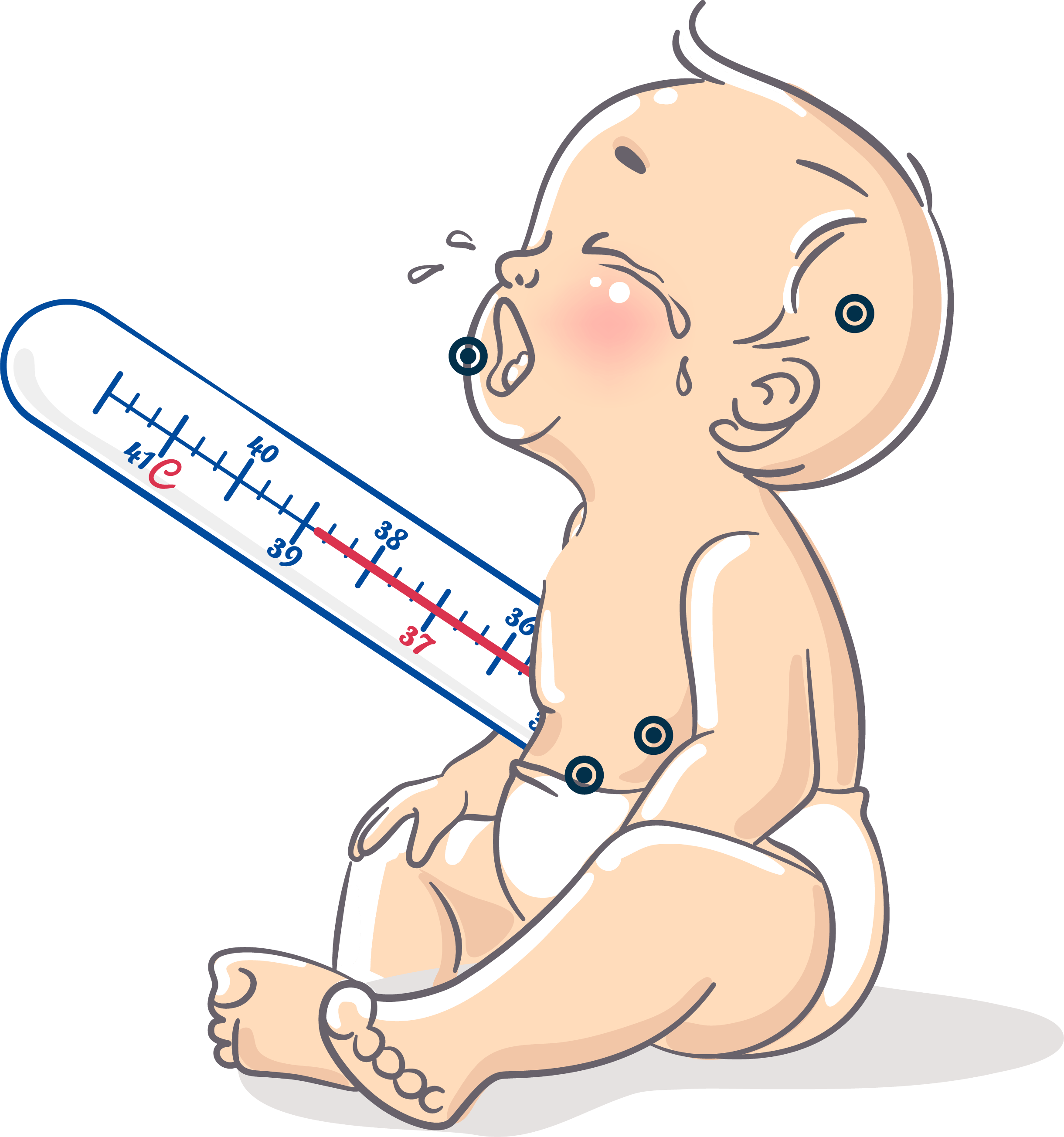
Symptoms usually start about two days after a person is exposed to rotavirus.4
Vomiting and watery diarrhea can last three to eight days.4
• Additional symptoms may include loss of appetite and dehydration (loss of body fluids), which can be especially dangerous for infants and young children. 3


- Rotavirus spreads easily among infants and young children.3
- People who are infected with rotavirus shed the virus in their stool (poop).3
- If you get rotavirus particles in your mouth, you can get sick.3

Touch contaminated objects or surfaces and then put your fingers in your mouth.

Put your unwashed hands that are contaminated with poop into your mouth.

Eat contaminated food.
The best way to protect young children from rotavirus is to get them vaccinated.3

There is no specific medicine to treat rotavirus infection, but your doctor may recommend medicine to treat the symptoms.3
Antibiotics will not help because they fight bacteria, not viruses.3
Since rotavirus disease can cause severe vomiting and diarrhea, it can lead to dehydration (loss of body fluids).3

A. The best way to protect against dehydration is to drink plenty of liquids.3

B. You can get oral rehydration solutions; these are most helpful for mild dehydration. 3
C. Severe dehydration may require hospitalization for treatment with intravenous (IV) fluids that patients receive directly through their veins.3
Rotavirus vaccine is the best way to protect your child against rotavirus disease.5

Most children about 9 out of 10 who get the vaccine will be protected from severe rotavirus disease.5
About 7 out of 10 children will be protected from rotavirus disease of any severity.5

is given in two doses at ages 2 months and 4 months.7
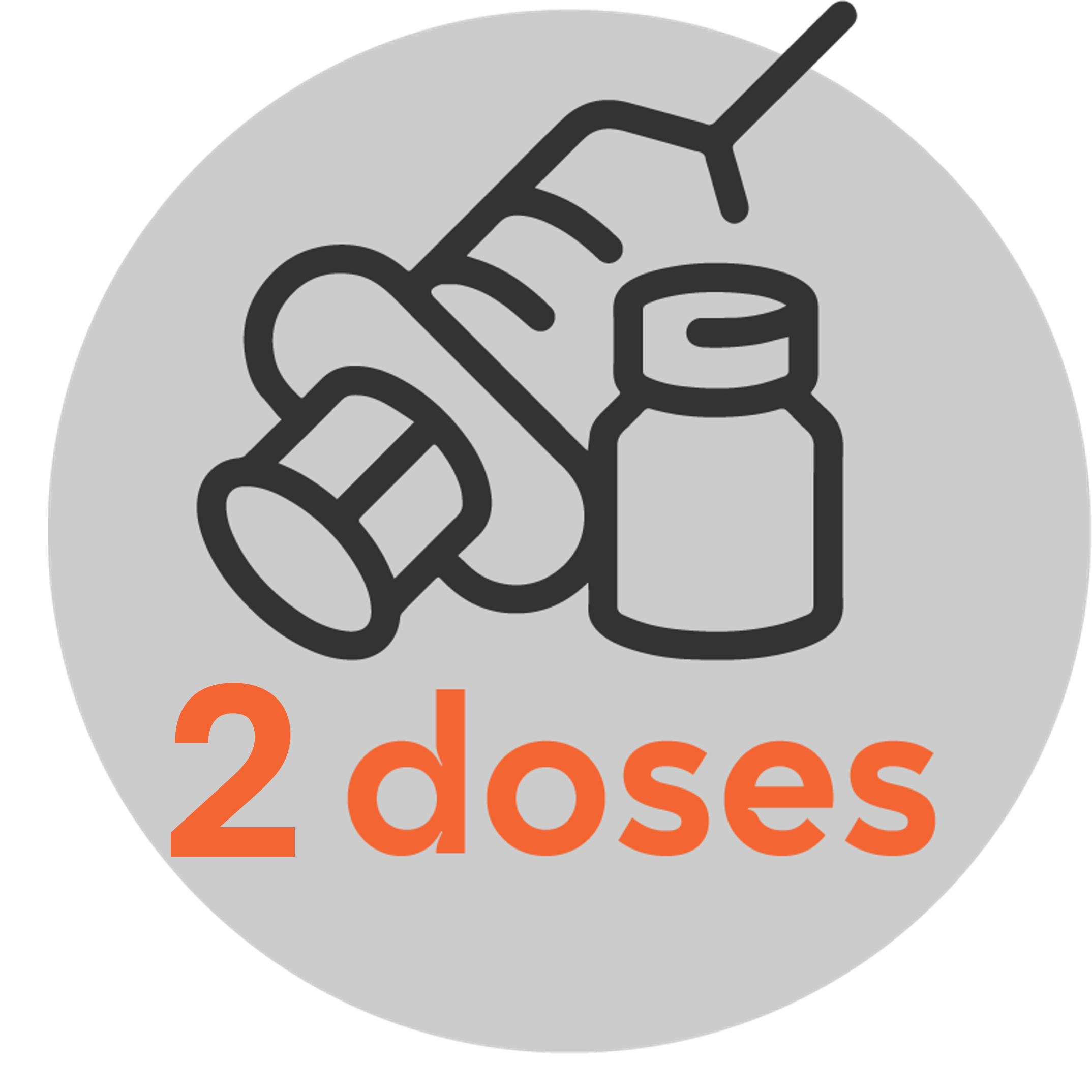
2 months 4 months
is given in three doses at ages 2 months, 4 months, and 6 months.7
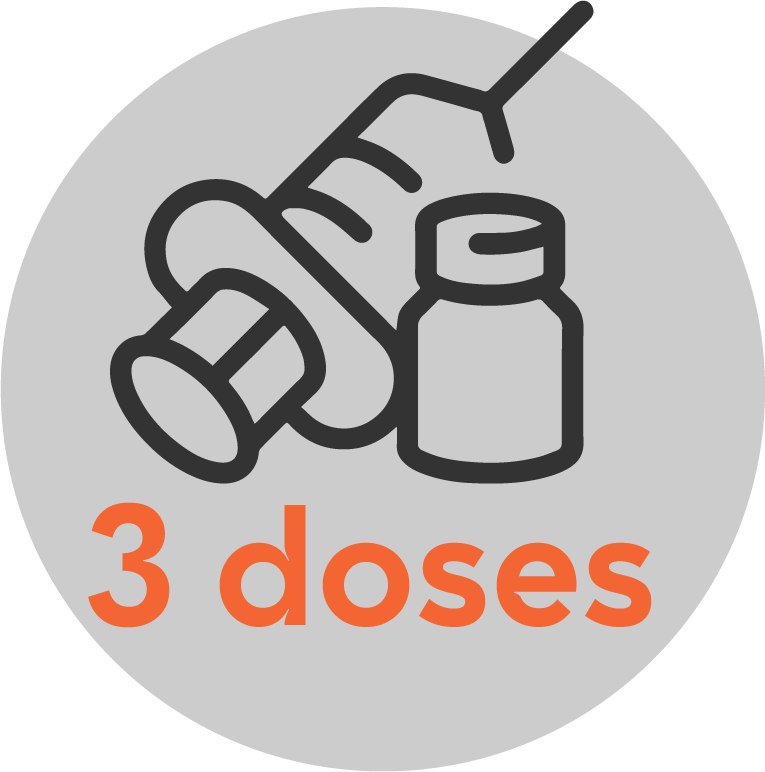
2 months 4 months 6 months
Both vaccines are given by putting drops in the child's mouth.7

Diarrhea

Irritability

ASK YOUR DOCTOR
FOR Rotavirus Vaccination
PROTECT YOURSELF AND YOUR FAMILY BY GETTING VACCINATED.


Contact Us
GlaxoSmithKline S.A.E. Building no. 46, Block (J), Fifth District, Boomerang, New Cairo, Egypt. Tel.: +202 26185000 or through email: ae.egypt@gsk.com
©2025 GSK group of companies or its licensor. All rights reserved.
Privacy Policy | Cookies Policy | Disclaimer
THIS WEBSITE IS ONLY FOR RESIDENTS OF EGYPT. A public awareness initiative by GlaxoSmithKline S.A.E. Building no. 46, Block (J), Fifth District, Boomerang, New Cairo, Egypt.Information appearing in this material is for general awareness only. Nothing contained in this material constitutes medical advice. Please consult your doctor for medical advice or any question or concern you may have regarding your condition. Please consult your doctor/child’s Paediatrician for the complete list of vaccine-preventable diseases and the complete vaccination schedule for each disease. The doctor, unless otherwise clearly indicated and if any, shown in this material is for illustration purpose only and is a professional model. All scientific information is validated. GSK does not recommend, endorse or accept liability for sites controlled by a third party.
CL code: NP-EG-VX-WCNT-250003, DoP: March 2025
EDA Approval No.: BF0472OA6092/032026 Invalidation Date: 10/04/2027

Kindly report any violated online promotional, educational and awareness material not having this message to The General administration for Regulation of Marketing & Advertising Materials at: www.edaegypt.gov.eg