








Acute respiratory tract infection (ARI)
is one of the leading causes of morbidity and mortality among children under 5 years in developing countries.1


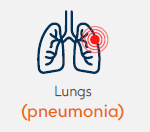
Pneumonia, a common and severe lower respiratory tract infection
is recognized as “the forgotten killer of children” , killing 1.1–1.4 million children every year and accounting for 17–19% of all deaths among children under 5 years of age.1

In Egypt under 5 years account for nearly 13.4% of the total population, and pneumonia constitutes 19% of under-five mortality. The incidence of pneumonia in Egypt has been estimated at 0.11–0.20 pneumonia episodes per child-year.1
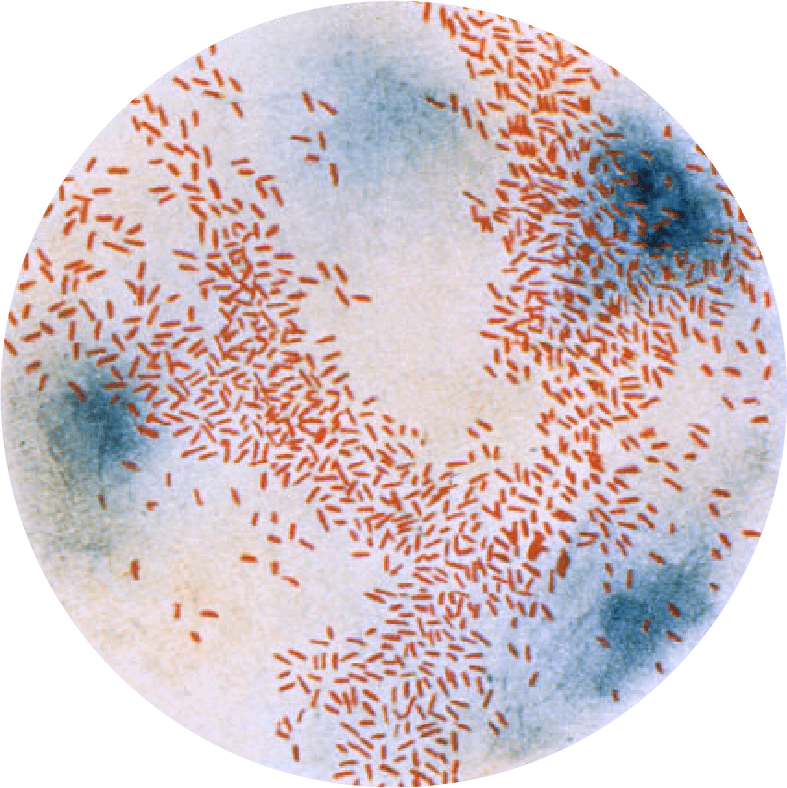
Disease caused by bacteria called Streptococcus pneumoniae (pneumococcus).1

It can cause infections in many parts of the body.1
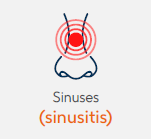
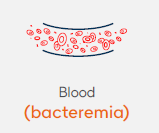
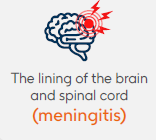


30% of Egyptian children were carriers of S. pneumoniae.2
Symptoms of pneumococcal infection depend on the part of the body affected.

Serious infections can result in sepsis, long-term problems, or death. Sepsis is a life-threatening emergency resulting from the body's extreme response to infection.3

Age
Children younger than 5 years old and adults 65 years or older are at increased risk for pneumococcal disease.
Race and ethnicity
Experts don't know why, but people of certain racial and ethnic groups have increased rates of pneumococcal disease:
Childcare attendance
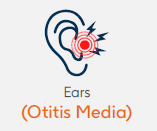
Young children attending childcare are also at increased risk for severe pneumococcal disease and ear infections.
Medical conditions
Immunocompromising conditions that increase someone's risk for pneumococcal disease include:
→ HIV infection
→ Kidney failure requiring maintenance dialysis or nephrotic syndrome (a kidney disorder)
→ Sickle cell disease or other inherited blood disorders
*This includes cancer and solid organ transplant
Doctors use antibiotics to treat pneumococcal disease. Antibiotic sensitivity testing
shows which antibiotics will be most successful at
treating a bacterial infection.


Breastfeeding in the first 6 months of life5 5
Breastfeeding in the first 6 months of life5
and the use of clean stoves to avoid indoor air pollution5

PCV-105 Vaccine
PCV-10 Vaccine
will provide effective and long-lasting protection against pneumococcal pneumonia.5
Offered to babies at 6 weeks of age.5

PCV-136 Vaccine
PCV-13 Vaccine
provides active immunization against 13 serotypes of Streptococcus pneumoniae.6
Offered to babies at 6 weeks of age.6

PPSV-236 Vaccine
PPSV-23 Vaccine
Is recommended for active immunization for preventing pneumococcal disease caused by the 23 serotypes of streptococcus pneumoniae.6
Offered to adults age ≥ 50 years & children age ≥ 2 years at high risk of pneumococcal infection.6

ASK YOUR DOCTOR
FOR PNEUMOCOCCAL
DISEASE VACCINATION
PROTECT YOURSELF AND YOUR FAMILY BY GETTING VACCINATED.


Contact Us
GlaxoSmithKline S.A.E. Building no. 46, Block (J), Fifth District, Boomerang, New Cairo, Egypt. Tel.: +202 26185000 or through email: ae.egypt@gsk.com
©2025 GSK group of companies or its licensor. All rights reserved.
Privacy Policy | Cookies Policy | Disclaimer
THIS WEBSITE IS ONLY FOR RESIDENTS OF EGYPT. A public awareness initiative by GlaxoSmithKline S.A.E. Building no. 46, Block (J), Fifth District, Boomerang, New Cairo, Egypt.Information appearing in this material is for general awareness only. Nothing contained in this material constitutes medical advice. Please consult your doctor for medical advice or any question or concern you may have regarding your condition. Please consult your doctor/child’s Paediatrician for the complete list of vaccine-preventable diseases and the complete vaccination schedule for each disease. The doctor, unless otherwise clearly indicated and if any, shown in this material is for illustration purpose only and is a professional model. All scientific information is validated. GSK does not recommend, endorse or accept liability for sites controlled by a third party.
CL code: NP-EG-VX-WCNT-250002, DoP: Sep 2025
EDA Approval No.: BF0472OA6093/032026 Invalidation Date: 06/04/2027

Kindly report any violated online promotional, educational and awareness material not having this message to The General administration for Regulation of Marketing & Advertising Materials at: www.edaegypt.gov.eg